Matthew Gordon
a98c0c4bca
Matthew Gordon
a98c0c4bca
|
||
|---|---|---|
| .cargo | ||
| .github | ||
| benches | ||
| src | ||
| test_data | ||
| .gitattributes | ||
| .gitignore | ||
| Cargo.toml | ||
| LICENSE | ||
| README.md | ||
| rust-toolchain | ||
README.md

Vanrijn
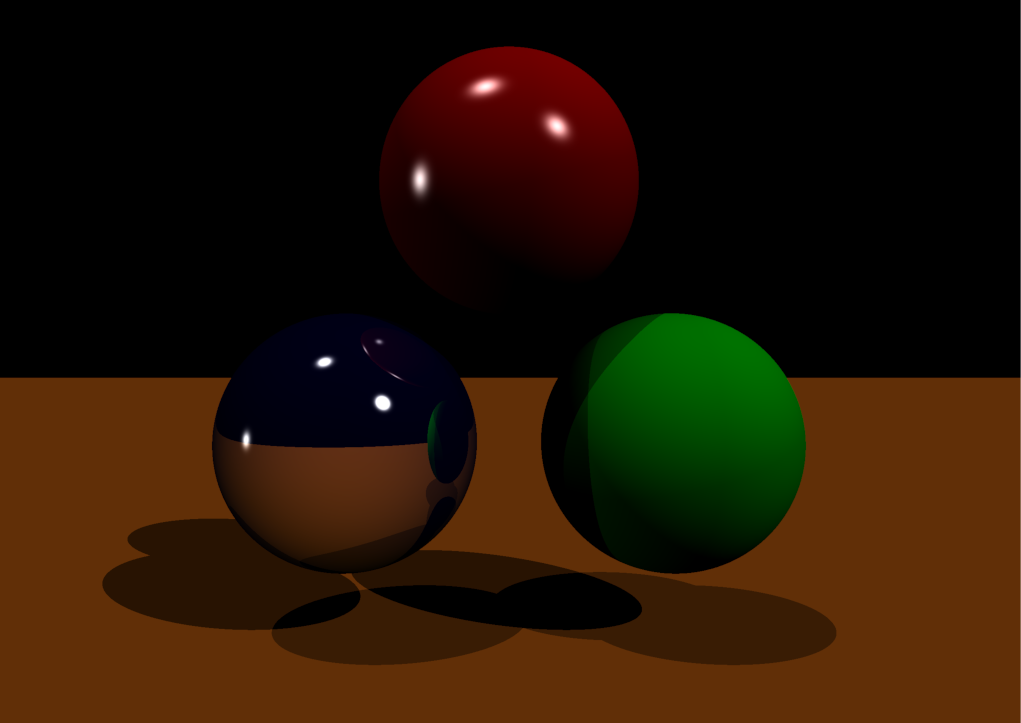
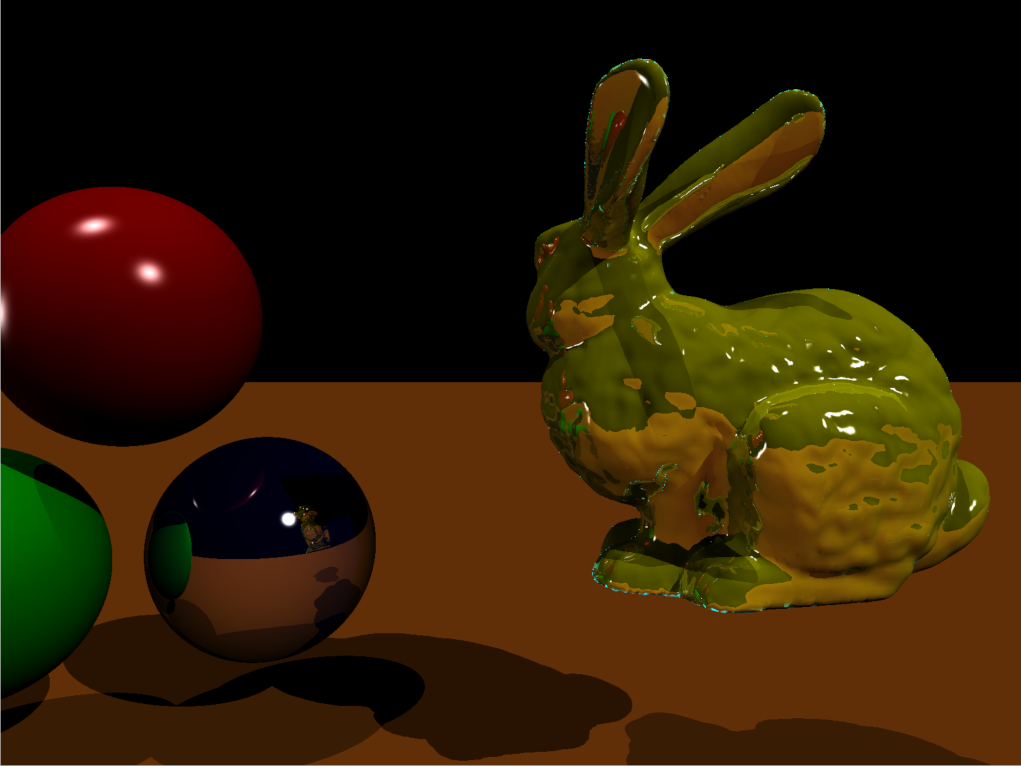
Vanrijn is a physically based ray tracer. Many thanks to the authors of the book "Physically Based Rendering: From Theory to Implementation from which many of the algorithms used here are taken. This is, however not a Rust port of the C++ PBRT rederer described in that book.
This crate is structured as a library; main.rs is just a glorified test harness which shows an example of using the library to render a scene. It uses SDL2 to display the rendered image.
On Ubuntu 19.04, if you have the libsdl2-dev package installed you should be able to run "cargo run" and see a window with a test scene rendered into it. In theory it should work on any platform with SDL2 installed but I've only tested it on Ubuntu Linux.